FOR PARENTS WITH CHILDREN AGED 3–16
Does Your Child Snore, Grind Their Teeth, Mouth Breathe, Or Have An Overbite, Underbite Or Crowded Teeth?
These may seem like separate concerns. But it can be useful to look at your child's sleep, breathing, teeth, bite and jaw development together while they are still growing.
A Sleep, Breathing & Growth Assessment helps determine whether monitoring, dental or orthodontic management, or referral to another healthcare professional may be appropriate.
Do You Notice Any Of These Signs In Your Child?

WHILE THEY SLEEP
Regular snoring
Grinding or clenching their teeth
Sleeping with their mouth open
Restless sleep or frequent movement
Waking during the night
Waking tired despite apparently getting enough sleep

DURING THE DAY
Frequently tired or low in energy
Difficulty concentrating
Changes in behaviour or mood
Difficulty staying attentive at school
TEETH & BITE
Crowded or crooked teeth
Overbite
Underbite
Protruding front teeth
Narrow dental arches
Limited space for developing adult teeth
These signs can have many different causes, and seeing one or more of them does not necessarily mean that your child has a sleep, breathing or jaw-development disorder.
But when several signs occur together, it may be useful to consider the bigger picture.
Looking Beyond The Teeth
When assessing a growing child, there can be more to consider than whether their teeth are straight or crooked.
BREATHING
Regular snoring and persistent mouth breathing can be signs that warrant further investigation into your child's breathing and sleep.
SLEEP
Snoring, restless sleep, grinding and waking tired can provide useful information when considering a child's sleep and breathing.
ORAL FUNCTION & HABITS
Tongue posture, mouth breathing and other oral habits may be relevant when assessing dental and jaw development.
BITE & JAW DEVELOPMENT
Crowding, overbites, underbites, narrow dental arches and protruding teeth can be assessed in the context of how your child's teeth, bite and jaws are developing.
So the question isn't always simply:
“Does my child need early intervention treatment like braces?”
Sometimes the more useful question is:
“Why am I seeing these signs, and is there anything that should be monitored or assessed while my child is still growing?”
Sometimes the more useful question is:
“Why am I seeing these signs, and is there anything that should be monitored or assessed while my child is still growing?”
Why Can Sleep & Breathing Be Relevant?
When a child has an underlying sleep or breathing disorder, the effects may not be limited to what happens during the night.
Sleep-disordered breathing in children can be associated with difficulties involving:
Attention and concentration
Learning and school performance
Behaviour and mood
Daytime tiredness
Quality of life
However, these signs and symptoms can have many different causes.
Snoring, mouth breathing or tiredness alone does not establish that a child has a sleep disorder, and a dental assessment does not diagnose obstructive sleep apnoea.
Where the findings suggest that further investigation may be appropriate, assessment by the relevant healthcare professional may be recommended.
How Can Growth Affect Treatment Timing?
Sometimes monitoring is entirely appropriate.
For certain developing bite and jaw relationships, however, a child's remaining growth may be relevant when considering treatment options and timing.
The treatment options considered while a child is growing may be different from those considered once skeletal growth is complete.
For significant skeletal jaw discrepancies, management in the late teens or adulthood may sometimes involve more complex orthodontic treatment and, in selected cases, corrective jaw surgery.
This does NOT mean that every child requires early treatment.
It also does NOT mean that early treatment will prevent the need for surgery.
The purpose of assessment is to understand how your child's teeth, bite and jaws are developing so that an informed decision can be made about whether to monitor, intervene, or seek further assessment.

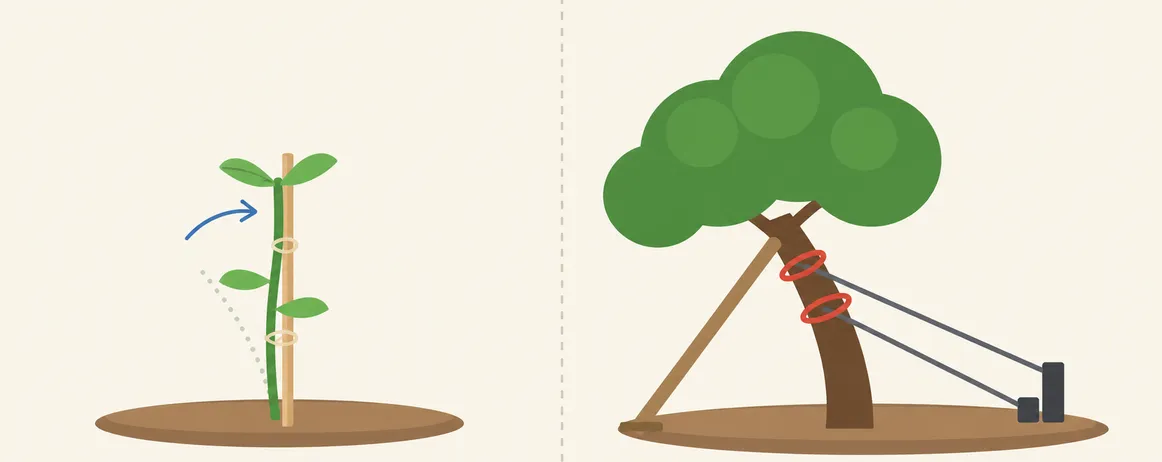
Think of a young plant that starts to grow in the wrong direction.
Tie it to a small stick early, and it gently straightens as it grows. Now imagine trying to straighten a fully grown tree. With today's technology it can still be done, but it is far more challenging. A child's jaws work in much the same way.
Sleep, Breathing & Growth Assessment
For children aged 3–16 showing signs such as:
Snoring • Teeth Grinding • Mouth Breathing • Restless Sleep • Crowded Teeth • Overbite • Underbite • Narrow Dental Arches
During the assessment, we’ll look at your child’s:
1. SLEEP & BREATHING
The signs you have noticed at home, such as snoring, mouth breathing, grinding, restless sleep or waking tired.
2. TEETH & BITE
How your child's teeth are developing, including crowding, overbite, underbite and other bite relationships.
3. JAW & GROWTH
Your child's dental arches and jaw relationships in the context of their current stage of growth and development.
4. NEXT STEPS
Based on the findings, we will discuss whether:
Monitoring may be appropriate
Dental or orthodontic management may be considered
or
Further assessment by another healthcare professional may be appropriate
An assessment does not automatically mean treatment will be recommended.
2026 ©. All Rights Reserved.
Snoring, mouth breathing, teeth grinding, tiredness, behavioural concerns and dental or jaw-development concerns can have multiple causes.
A dental assessment does not diagnose obstructive sleep apnoea or replace appropriate medical assessment.
Where indicated, referral to an appropriate healthcare professional may be recommended.
Information on this page is intended to provide general information and should not be taken as a diagnosis or recommendation of treatment for an individual child.
With love from Play Bigger Advisory, powered by Intellia.